
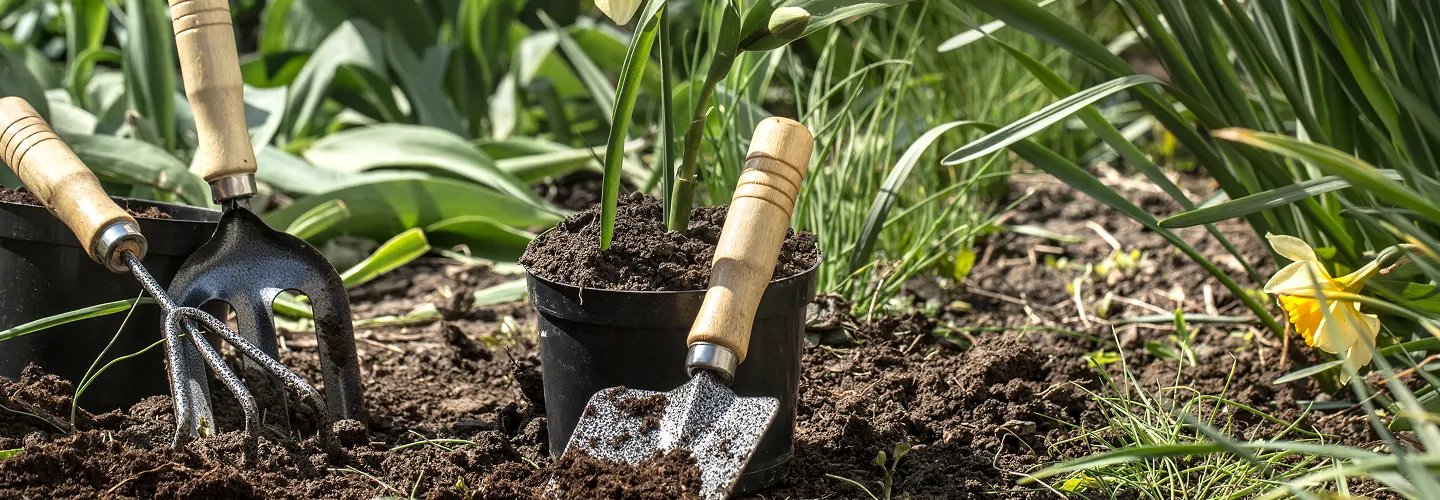
Bay City Flower Bed Maintenance Services
Choose our Flower Bed Maintenance for expert care, vibrant blooms, and a hassle-free experience—let us handle the details so you can enjoy a beautiful, thriving garden without the work.
Get a Free QuoteOur Bay City Landscaping & Yard Care Services
When to Schedule Flower Bed Maintenance in Bay City, Texas – Seasonal Guide
In Bay City, Texas, the best times for flower bed maintenance are closely tied to our unique Gulf Coast climate and local landscape features. Spring and early fall are generally optimal, as these periods offer moderate temperatures and consistent rainfall, which help new plantings establish strong roots. The last frost typically occurs in late February, making March an ideal time to refresh beds, add mulch, and introduce new annuals or perennials. Conversely, late September through October is perfect for preparing beds for winter, especially in neighborhoods near Le Tulle Park or along Avenue F, where mature trees provide ample shade and leaf drop.
Local environmental factors such as high humidity, occasional droughts, and the clay-heavy soils common in areas like Matagorda Heights all play a role in determining the best maintenance schedule. Homeowners should also consider the risk of sudden weather changes and municipal watering restrictions, which can impact both timing and the types of plants that thrive. For more information on local gardening resources, visit the Sudbury town website.
Local Factors to Consider for Flower Bed Maintenance in Bay City
- Tree density and shade coverage, especially in established neighborhoods
- Soil type and drainage, with clay soils requiring special attention
- Seasonal precipitation patterns and drought risk
- Proximity to landmarks like Le Tulle Park or the Colorado River
- Municipal watering restrictions and local ordinances
- Terrain variations, such as sloped yards or low-lying areas prone to pooling
Benefits of Flower Bed Maintenance in Bay City
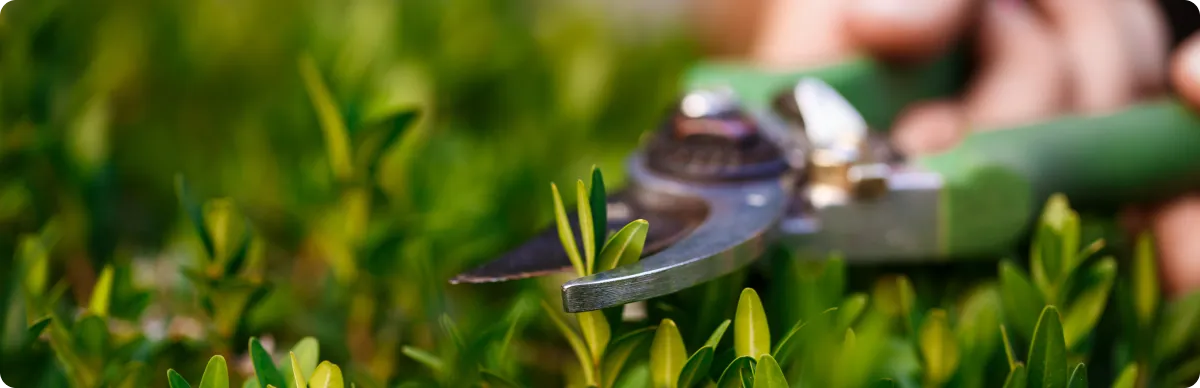
Enhanced Curb Appeal
Weed and Pest Prevention
Healthier Plant Growth
Seasonal Color and Variety
Professional Expertise
Time and Effort Savings
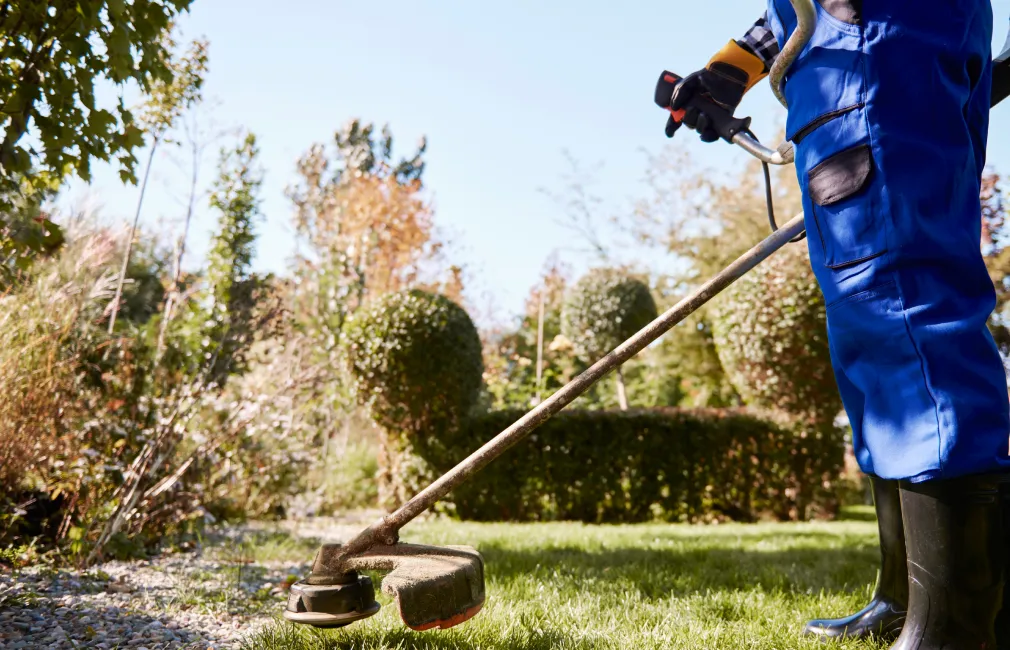
Bay City Flower Bed Maintenance Types

Seasonal Flower Planting
-
Weed Control Services
-
Mulching and Soil Conditioning
-
Pruning and Deadheading
-
Fertilization Programs
-
Pest and Disease Management
-
Edging and Bed Redefining
Our Flower Bed Maintenance Process
Site Evaluation
Weed Removal
Soil Preparation
Plant Care
Mulching
Why Choose Bay City Landscape Services
-
Bay City Homeowners Trust Us
-
Expert Lawn Maintenance
-
Reliable Scheduling
-
Competitive Pricing
-
Professional Team
-
Satisfaction Guarantee
-
Personalized Service
Bay City’s Predominant Soil Series and Drainage Considerations for Flower Beds
Bay City’s landscape is primarily characterized by the Lake Charles clay and Edna loam soil series, as identified by the USDA Web Soil Survey. These soils are heavy, with moderate to poor drainage and a pH typically ranging from 6.5 to 7.8. For flower bed maintenance, it is essential to address compaction and water retention issues by incorporating 2-3 inches of compost tilled to a 6-inch depth. Soil testing is recommended every 2-3 years, with services available through Texas A&M AgriLife Extension (15-25 cost per test). Key soil amendment practices include:
- Lime application for pH below 6.0
- Sulfur for pH above 7.5
- Regular organic matter incorporation Proper drainage is critical to prevent root rot, especially in low-lying areas. Consult the USDA Plant Hardiness Zone Map for Bay City’s Zone 9a guidance on plant selection and timing.
Municipal Regulations and Flower Bed Maintenance Ordinances in Bay City
Flower bed maintenance in Bay City is governed by local ordinances that address property appearance, debris management, and equipment operation. According to the Bay City Code of Ordinances, all yard waste, including flower bed trimmings, must be contained in biodegradable bags or reusable bins (32-gallon maximum) for curbside collection. Collection occurs every Thursday from April through November. Equipment operation is permitted during the following hours:
- Monday-Friday: 7:00 AM - 7:00 PM
- Saturday: 8:00 AM - 6:00 PM
- Sunday and holidays: Prohibited Noise levels must not exceed 85 decibels at the property line. For questions regarding compliance or to report violations:
Bay City Public Works Department
1901 5th Street, Bay City, TX 77414
Phone: (979) 323-1659
Official Website: Bay City Public Works Department
Environmental Compliance: Stormwater, Buffer Zones, and State Law in Bay City
Maintaining flower beds in Bay City requires strict adherence to environmental regulations to protect local waterways such as the Colorado River and nearby wetlands. The Texas Water Code and Clean Water Act prohibit the discharge of soil, mulch, or fertilizers into storm drains. The city’s MS4 permit, administered by the Texas Commission on Environmental Quality, mandates:
- 25-foot no-disturbance buffer from wetlands
- No fertilizer or pesticide application within 50 feet of water bodies
- Prohibition of yard waste in storm drains Violations may result in fines or remediation orders. For technical guidance, consult:
Texas Commission on Environmental Quality
12100 Park 35 Circle, Austin, TX 78753
Phone: (512) 239-1000
Official Website: Texas Commission on Environmental Quality
Seasonal Timing and Climate Considerations for Flower Bed Care in Bay City
Bay City’s USDA Hardiness Zone 9a climate features mild winters and hot, humid summers, requiring careful scheduling of flower bed maintenance. Optimal planting and maintenance windows are:
- Spring planting: February 15 – April 15 (soil temp 60-70°F)
- Fall planting: October 1 – November 15 (before first frost, typically late November)
- Mulching: Early March and late October
- Fertilization: March and October (avoid June-August due to heat stress) Monitor local weather conditions using the National Weather Service Houston/Galveston Office. Adjust irrigation schedules during drought advisories and avoid working during periods of excessive rainfall to prevent soil compaction and runoff.
Plant Selection and Native Species Recommendations for Bay City Flower Beds
Selecting appropriate plant species is vital for sustainable flower bed maintenance in Bay City’s climate and soils. Recommended species for full sun include:
- Black-eyed Susan (Rudbeckia hirta)
- Gulf Coast penstemon (Penstemon tenuis)
- Daylily (Hemerocallis spp.) For partial shade:
- Turk’s cap (Malvaviscus arboreus)
- Coral bells (Heuchera americana)
- Inland sea oats (Chasmanthium latifolium) Deer-resistant options include:
- Russian sage (Perovskia atriplicifolia)
- Salvia greggii Native selections support pollinators and require less irrigation. For detailed plant lists and diagnostic support, refer to Texas A&M AgriLife Extension.
What Neighborhoods Do We Serve Throughout Bay City, TX?
- Downtown Bay City: Features historic properties with compacted urban soils and limited green space, requiring careful soil amendment and drainage solutions for flower beds.
- South End: Characterized by larger lots and mature trees, this area often faces heavy leaf litter and shade, influencing plant selection and maintenance schedules.
- Riverside Park Area: Proximity to the Colorado River and floodplain necessitates strict adherence to buffer zone regulations and flood-resistant plant choices.
- Cherry Elementary Vicinity: Residential developments with newer construction may have fill soils and require additional organic matter for optimal plant growth.
- Bay Ridge: Elevated terrain with sandy loam soils offers good drainage but may require supplemental irrigation during dry periods.
- Golden Avenue Corridor: Dense housing and narrow access points present logistical challenges for equipment and debris removal, emphasizing the need for compliance with collection schedules.
- Matagorda Regional Medical Center Area: Institutional landscaping with high visibility and public access, requiring adherence to municipal appearance standards and regular maintenance intervals.