
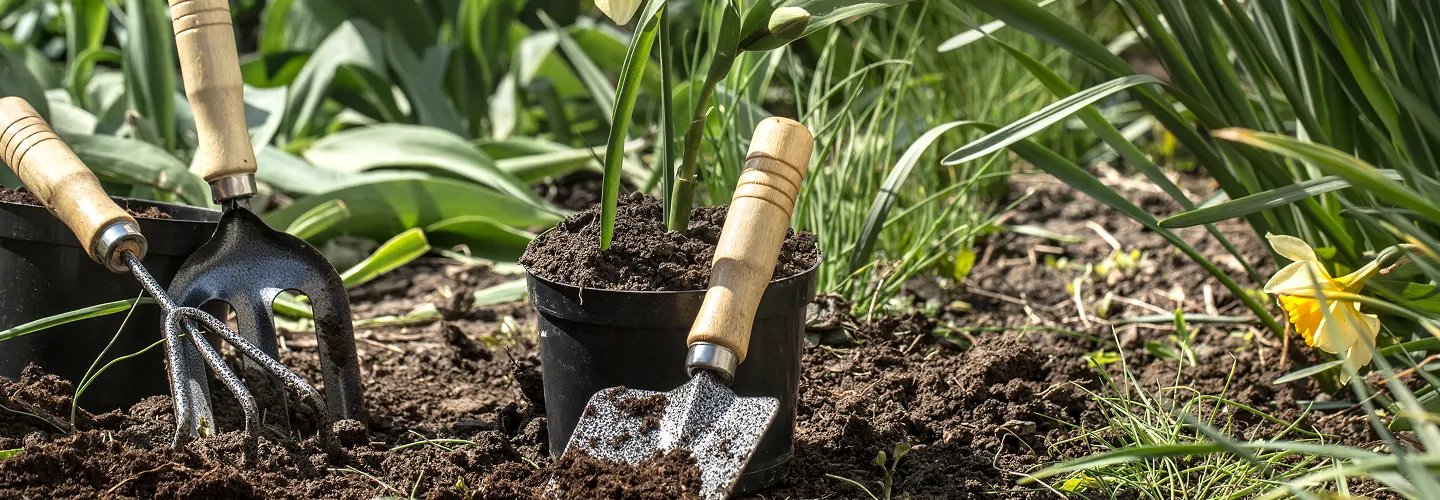
Bay City Flower Planting Services
Choose our flower planting services for vibrant, expertly arranged blooms that thrive in Bay City's unique climate—bringing lasting beauty and curb appeal to your home.
Get a Free QuoteOur Bay City Landscaping & Yard Care Services
When to Schedule Flower Planting in Bay City, Texas – Seasonal Guide
Flower planting in Bay City, Texas, is best scheduled with careful attention to our unique Gulf Coast climate and local landscape features. The optimal planting windows typically fall in early spring (late February to March) and early fall (late September to October), when temperatures are moderate and rainfall is more predictable. These periods allow new blooms to establish strong roots before the intense summer heat or occasional winter chills set in.
Bay City’s proximity to the Colorado River and neighborhoods like Riverside Park and Matagorda Bay Estates means gardeners must consider factors such as high humidity, variable shade from mature oaks, and the region’s clay-rich soils. Local frost dates usually end by mid-March, but unexpected cold snaps can occur, so monitoring weather updates and consulting resources like the Sudbury climate guide is recommended. Drought risk during late summer and municipal watering restrictions can also impact planting success, making timing and plant selection crucial for vibrant, lasting displays.
Local Factors to Consider for Flower Planting in Bay City
- Tree density and shade coverage in neighborhoods like Cherry Elementary area
- Soil type, especially clay content and drainage
- Average precipitation and risk of summer drought
- Frost dates and potential for late cold snaps
- Municipal watering restrictions and local ordinances
- Terrain variations, such as low-lying or flood-prone yards
Benefits of Flower Planting in Bay City
Expert Local Knowledge
Customized Landscape Designs
Seasonal Plant Selection
Eco-Friendly Practices
Reliable Maintenance Services
Enhanced Curb Appeal
Bay City Flower Planting Types

Annual Flower Beds
Seasonal color displays using vibrant annuals for maximum impact.
-
Perennial Gardens
Long-lasting blooms that return year after year for sustainable beauty.
-
Native Plant Landscapes
Utilizing local species for low-maintenance and eco-friendly gardens.
-
Pollinator-Friendly Plantings
Flower beds designed to attract bees, butterflies, and other pollinators.
-
Shade Garden Plantings
Specialized flower selections for areas with limited sunlight.
-
Container Flower Arrangements
Versatile and movable flower displays for patios and entryways.
-
Mixed Border Plantings
Combining flowers, shrubs, and grasses for dynamic landscape borders.
Our Flower Planting Process
Site Evaluation
Soil Preparation
Plant Selection
Careful Planting
Watering and Mulching
Why Choose Bay City Landscape Services
-
Bay City Homeowners Trust Us
-
Expert Lawn Maintenance
-
Reliable Scheduling
-
Competitive Pricing
-
Professional Team
-
Satisfaction Guarantee
-
Personalized Service
Soil Series and Drainage Considerations for Flower Planting in Bay City
Bay City’s predominant soils, including Lake Charles clay and Edna loam, present unique challenges for flower planting due to their high clay content, slow drainage, and tendency toward compaction. These soils typically exhibit pH values ranging from 6.5 to 7.5, requiring careful amendment for optimal plant health. Before planting, it is recommended to incorporate 2-3 inches of compost tilled to a 6-inch depth to improve structure and drainage. Soil testing through Texas A&M AgriLife Extension (cost: $15-25) is advised to determine nutrient needs and pH adjustments. For areas with persistent water retention, raised beds at least 12 inches high are recommended. Research local soil series using the USDA Web Soil Survey for site-specific guidance. Coordination with municipal infrastructure is essential when amending soils near public rights-of-way.
Bay City Public Works Department
1901 5th Street, Bay City, TX 77414
Phone: (979) 323-1659
Official Website: Bay City Public Works Department
Optimal Flower Planting Windows and Climate Factors in Bay City
Bay City is located in USDA Hardiness Zone 9a, with average annual minimum temperatures of 20-25°F. The city’s subtropical climate features mild winters and hot, humid summers, making spring (February 15 – April 15) and fall (October 1 – November 15) the preferred planting windows for most perennial and annual flowers. Avoid planting during peak summer (June-August), when soil temperatures often exceed 85°F, increasing transplant stress. Monitor local weather forecasts through the National Weather Service Houston/Galveston Office for frost advisories and rainfall patterns. For best results:
- Spring planting: February 15 – April 15 (soil temp 60-70°F)
- Fall planting: October 1 – November 15 (before first frost)
- Avoid: June-August (heat stress period)
- Water new plantings 1 inch per week, adjusting for rainfall
Native and Recommended Flower Species for Bay City’s Coastal Environment
Selecting flower species adapted to Bay City’s climate and soils is critical for long-term success and environmental compliance. Native and regionally adapted species reduce irrigation needs and support pollinators. Recommended options include:
- Full sun: Black-eyed Susan (Rudbeckia hirta), Gulf Coast penstemon (Penstemon tenuis), Indian blanket (Gaillardia pulchella)
- Partial shade: Turk’s cap (Malvaviscus arboreus), spider lily (Hymenocallis liriosme)
- Wet areas: Swamp milkweed (Asclepias incarnata), cardinal flower (Lobelia cardinalis)
- Deer resistant: Salvia greggii, lantana (Lantana camara) Spacing should be 12-18 inches for annuals and 18-24 inches for perennials. Avoid invasive species listed by the Texas Department of Agriculture. For additional guidance, consult Texas A&M AgriLife Extension resources.
Municipal Regulations and Environmental Compliance for Flower Planting in Bay City
Flower planting activities in Bay City must comply with local ordinances regarding property setbacks, public right-of-way encroachment, and stormwater management. The Bay City Code of Ordinances specifies:
- Minimum 5-foot setback from sidewalks and public easements
- No soil or mulch may be deposited in storm drains (MS4 compliance)
- Buffer zones: Maintain 25-foot no-disturbance buffer from wetlands and drainage ditches
- Equipment operation hours:
- Monday-Friday: 7:00 AM – 7:00 PM
- Saturday: 8:00 AM – 6:00 PM
- Sunday/holidays: Prohibited Violations may result in fines of $50-$200 per occurrence. Compliance with the Texas Water Code and Clean Water Act is required for all planting near water bodies. For regulatory questions:
Bay City Zoning Department
1901 5th Street, Bay City, TX 77414
Phone: (979) 323-1659
Official Website: Bay City Zoning Department
Texas Commission on Environmental Quality
12100 Park 35 Circle, Austin, TX 78753
Phone: (512) 239-1000
Official Website: Texas Commission on Environmental Quality
Safety Protocols and Professional Standards for Flower Planting in Bay City
All flower planting operations in Bay City must adhere to municipal safety standards and professional best practices. Personnel are required to use:
- Eye protection: ANSI Z87.1 safety glasses
- Hearing protection: Earmuffs or plugs for equipment over 85 dB
- Footwear: Steel-toed, non-slip boots
- Gloves: Cut-resistant for planting, chemical-resistant for fertilizer/pesticide use Maintain a 15-foot clearance from overhead utilities and a 10-foot buffer from fire hydrants. Equipment must be commercial-grade and maintained per manufacturer guidelines, with blade sharpening every 20-25 hours of use. When working near public roads or parks, high-visibility vests are mandatory. For public park plantings, coordinate with:
Bay City Parks and Recreation Department
1209 10th Street, Bay City, TX 77414
Phone: (979) 323-1660
Official Website: Bay City Parks and Recreation Department
What Neighborhoods Do We Serve Throughout Bay City, TX?
- Downtown Bay City: Features compacted urban soils and historic landscaping, requiring soil amendment and careful species selection for successful flower establishment.
- Riverside Park Area: Proximity to the Colorado River and floodplain soils necessitates raised beds and flood-tolerant species, with strict buffer compliance near water bodies.
- South End: Newer developments with sandy loam soils and larger lots allow for diverse plantings but may require additional irrigation during dry periods.
- North Bay City: Older neighborhoods with mature trees and heavy clay soils, presenting challenges for drainage and root competition.
- East Bay City: Includes areas near wetlands and drainage ditches, where 25-foot buffer zones and MS4 stormwater compliance are critical.
- West Bay City: Suburban areas with mixed soil types and HOA landscaping standards, often requiring pre-approval for major planting projects.
- Matagorda Avenue Corridor: High-traffic area with narrow rights-of-way and utility access constraints, demanding compact, low-maintenance flower selections and adherence to setback rules.